How to support liver health
3
Your liver filters toxins and supports digestion and energy. Learn the signs of an overworked liver and discover lifestyle, diet and alcohol tips to maintain liver health.


Our liver is an important organ that processes nutrients, rids the body of toxins, maintains our energy levels, creates important proteins and supports the digestive system.
Modern society can expose us to a wider range of pollutants than ever before, including medications, processed foods, fresh produce sprayed with pesticides, stress, and alcohol. It’s important that we take care of our liver to keep us healthy, and it’s about going back to the basic pillars of health: nutrition, sleep, rest and stress management.
The liver, the largest organ in the body, performs over 500 functions and is located on the right side of the upper body, under the ribs, just next to the stomach, as the Cleveland Clinic describes. One of its primary roles is filtering harmful substances and waste from the body.
When healthy liver cells are damaged, they become inflamed. The liver can maintain and repair itself if it becomes overworked and stressed. However, chronic damage can lead to serious problems such as scarring and sickness.
People with liver damage may not have symptoms. Some of the symptoms that may signal liver problems and exposure to too many toxins include:
According to Hepatitis NSW, if a liver isn’t working properly, it may not be able to get the energy you need from food, which can lead to malnutrition and low energy.
Maintaining a healthy liver involves engaging in a range of healthy behaviours, which are already ideally part of maintaining a healthy lifestyle.
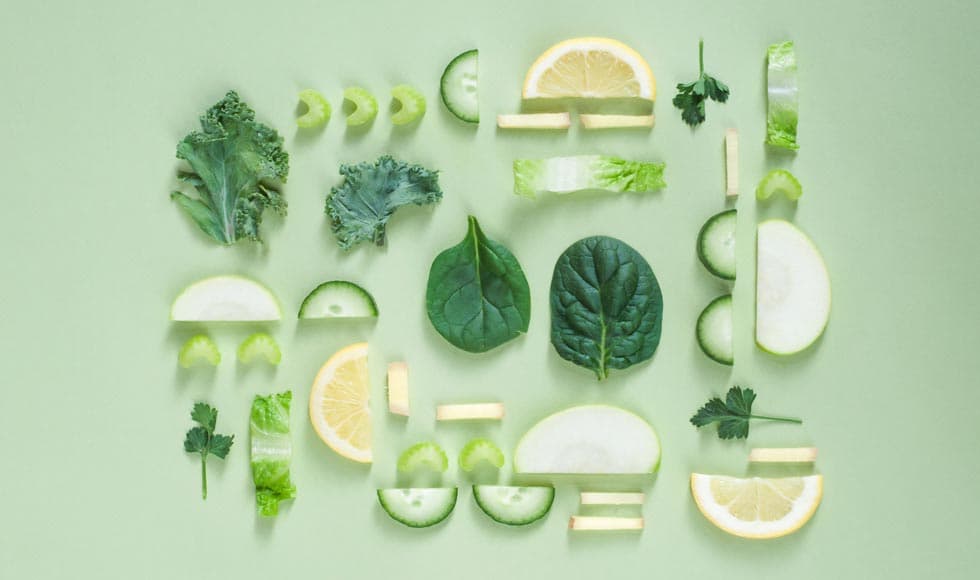
Hepatitis NSW outlines that the foods good for liver health are those that contain antioxidants to reduce inflammation. Examples include berries, leafy greens, and cruciferous vegetables such as broccoli, cauliflower, and cabbage.
Omega-3 fatty acids are also anti-inflammatory and available in foods such as salmon.
Meanwhile, foods that are not helpful for the liver and should be avoided, according to Hepatitis NSW, include processed foods high in unhealthy fats, added sugars, and artificial additives that can strain the liver. Refined carbohydrates such as white bread and pasta are linked to increased liver fat.
Sugary drinks or foods with added sugar, for example, can lead to fat buildup in the liver, according to Hepatitis NSW.
As the Lung Foundation explains, the liver can effectively detoxify and remove toxins and waste from the body. It suggests, as a preventative measure, avoiding toxins as much as possible. Learn more about what your food contains, how it is made, and if any toxins were involved in its production. Limit exposure and contact with cleaning products or wear a mask and wash fresh produce in case they have been treated with pesticides.
You may have heard about supplements and tonics that claim to support liver function, with milk thistle a popular example.
Always consult your GP before starting any supplement, so they can determine whether it is suitable for you.
The best way to support your liver is to eat a balanced diet, maintain a healthy weight, exercise, limit alcohol consumption and avoid exposure to chemicals and stress.
Always read the label and follow the directions for use.
Disclaimer: This information is general in nature and is not intended to replace professional medical advice. Candida infections require proper diagnosis. If you're experiencing symptoms, particularly for the first time or recurrent infections, please consult your healthcare provider. Always inform your doctor about any supplements you're taking.

We accept