How to eat for a healthy heart
5
Eating well supports your heart by balancing cholesterol, lowering sodium, and boosting antioxidants. Discover heart-healthy foods and simple tips to protect your heart.

While you are going about your day, your heart quietly works away like a car engine, pumping blood and delivering oxygen and nutrients throughout your body to keep it functioning well. As time goes by and with age, changes in the heart can occur that may affect its ability to work as well.
Eating well can protect it and keep your heart healthy. Eating the right foods is about managing cholesterol, blood pressure, weight and sugar levels, all factors that can affect heart health.
A significant part of maintaining a healthy heart is managing cholesterol levels to balance good and bad cholesterol.
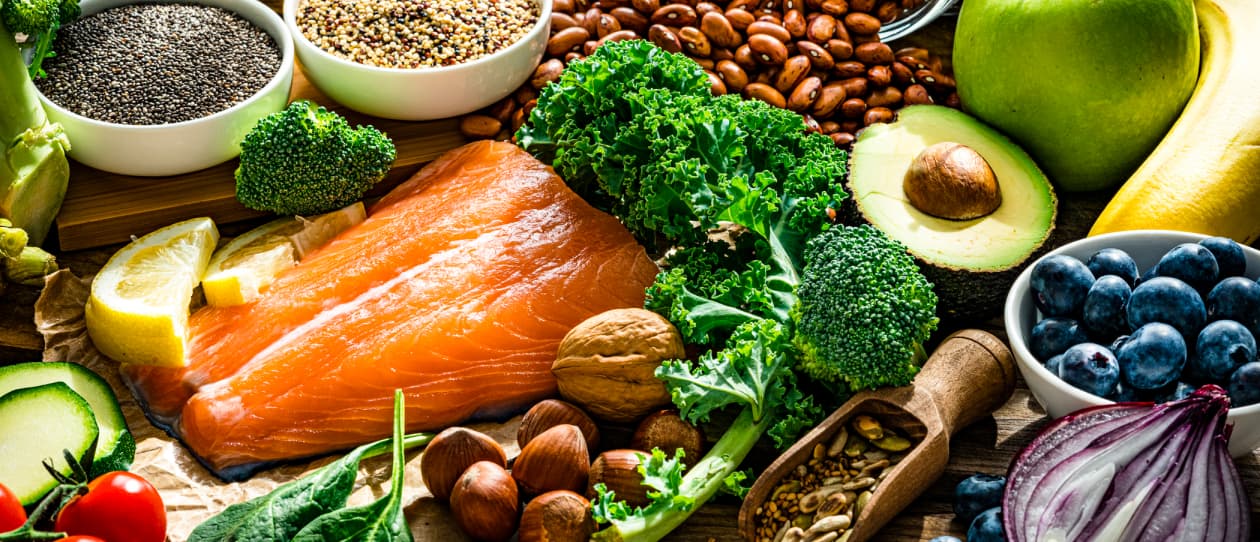
There are various heart-friendly eating guides and plans, and they all have one thing in common: a balanced diet rich in variety, antioxidants, fibre, and healthy fats. Another important feature of these dietary guides is that they are lower in processed foods, sugar, saturated fats and sodium. For example, one diet that is well-known for its heart health benefits is the Mediterranean diet, as it has many of the following features.
According to the Heart Foundation, eating too much saturated and trans-fat can elevate blood cholesterol levels. On the other hand, choosing healthier fats over saturated fats can help maintain healthier cholesterol levels by lowering the ‘bad’ LDL cholesterol and increasing the ‘good’ HDL cholesterol.
Omega-3 fatty acids are healthier fats, and according to Harvard University, they can help defend against inflammation, which can negatively impact heart health.
Plant-based foods contain plant sterols, which, according to the Baker Institute, can help block the absorption of cholesterol in the body.
Fruit, whether fresh, frozen, or canned, contains antioxidants that can help defend against inflammation.
Vegetables also contain antioxidants and plant sterols to help maintain healthy cholesterol levels. You may also find some foods fortified with plant sterols, such as margarines, breads and milks.
Eating more vegetables can help reduce the amount of saturated fat from meat in your diet. However, the Heart Research Institute (HRI) points out that saturated fats are found in plant-based oils such as coconut and palm oil.
Foods in this group include wholegrain breads, pasta and cereal, brown rice, and some root vegetables such as potatoes, sweet potato, parsnips and turnips. Choosing wholegrain varieties means you get more fibre and more nutrition than processed white flour products.
Wholegrain foods are also an excellent source of fibre. For example, oats, as the Heart Research Institute (HRI) describes, are a great source of beta-glucan, a soluble dietary fibre. Beta-glucan has been shown to lower cholesterol by binding to cholesterol, helping the body eliminate it.
Saturated fats are not heart-healthy, and they include butter, coconut oil, lard, and ghee. Healthier fats that better support cholesterol levels are lower in saturated fats, which include olive oil, sesame oil, sunflower oil, nuts, salmon, and avocado.
For example, UC Davis Health recommends liquid plant oils, such as avocado, nut, and flaxseed oils, as they help reduce harmful LDL cholesterol. On the other hand, UC Davis Health recommends limiting animal fats such as butter and margarine, tropical oils such as coconut and palm, and partially hydrogenated fats.
The Heart Foundation recommends replacing full-fat dairy products, such as milk, with non-fat and low-fat dairy products, such as low-fat Greek yoghurt, to reduce saturated fat intake. According to the Foundation, unsaturated fats are associated with better cardiovascular health.
Alfred Health points to CoQ10 as an antioxidant that is found in greatest quantities in the heart muscle. According to the expert organisation, meat and fish products are the most concentrated sources of CoQ10.
Aim for lean cuts of meat, such as poultry, fish, and other seafood, which are good sources of omega-3 fats.
The Heart Foundation recommends limiting red meats to one to three servings a week and avoiding processed sources of meat such as salami and ham, bacon and sausages.
Legumes are a heart-healthy choice of protein, as they are high in fibre and antioxidants.
Other heart-healthy sources of lean protein include tofu, nuts and eggs.
A model plate that many experts reference as one to follow for a heart-healthy meal is to serve your plate:
For example, as the HRI explains, filling one quarter of your plate with carbohydrates can help moderate your intake to support blood sugar levels.
If you feel like you need extra dietary support for your heart health, there are supplements available, including antioxidants, plant sterols and CoQ10. However, consult your doctor before starting any supplement regimen.
As we age, the heart can undergo changes that affect how well it works. Eating a healthy diet is one way we can be proactive in our earlier years to protect our hearts as time goes by.
Along with a healthy lifestyle that includes exercise, stress management, limiting alcohol and smoking, eating well can help ensure we have as healthy a heart as possible and for as long as possible. A healthy heart can help support us in times of stress and during special moments in life.
Always read the label and follow the directions for use.
Disclaimer: This information is general in nature and is not intended to replace professional medical advice. Candida infections require proper diagnosis. If you're experiencing symptoms, particularly for the first time or recurrent infections, please consult your healthcare provider. Always inform your doctor about any supplements you're taking.

We accept